
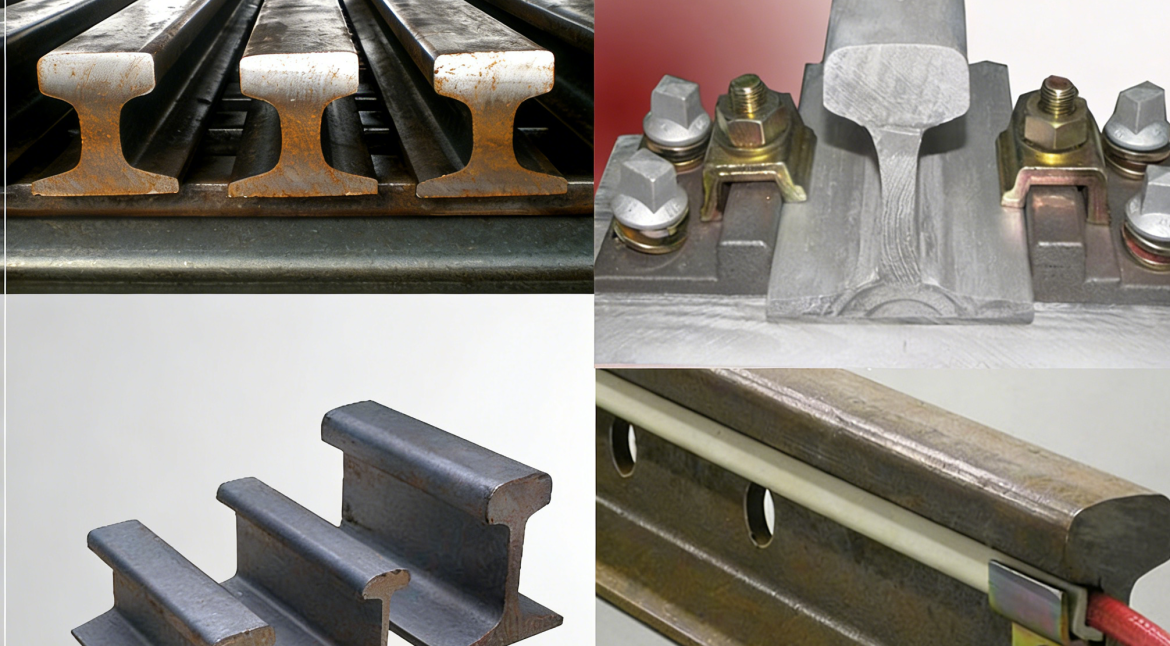
5 Main Causes of Overhead Crane Rail Gnawing and Solutions

What is Overhead Crane Rail Gnawing? (Key Symptoms)
Visible Rail Head Wear: Uneven surfaces, grooves, or metal chipping on the rail.
Side Edge Marks: Scratches or indentations on the side edges of the guide rail.
Excessive Noise: High-pitched squealing or grinding sounds during crane movement.
Uneven Wheel Wear: Tapered or flattened wheel treads.
Bridge Misalignment: The crane bridge appearing skewed relative to the tracks.
Increased Power Consumption: Higher electricity usage due to excessive friction between wheels and rails.
Primary Causes of Overhead Crane Rail Gnawing

1. Mechanical Misalignment
Bridge Skewing: If the crane bridge is not perpendicular to the rails, wheels exert lateral pressure on the track sides.
Wheel Misalignment: Improperly aligned wheels (toe-in or toe-out) force the flange to rub against the rail edge.
Uneven Rail Installation: Tracks that are not level, parallel, or correctly anchored cause the crane to tilt or shift.
Operational Factors
Overloading: Exceeding rated capacity puts excessive stress on wheels, increasing lateral forces.
Sudden Starts and Stops: Rapid acceleration or braking creates inertial forces that push wheels against the rail.
Off-Center Lifting: Lifting loads that aren’t centered under the hoist creates an unbalanced pull, leading to misalignment.
Practical Solutions to Prevent and Fix Rail Gnawing
Step 1: Regular Inspection and Precision Maintenance
Rail Surveys: Use laser alignment tools to check for rail levelness and parallelism. Replace worn rails immediately.
Wheel Maintenance: Check wheel flange thickness monthly. Re-surface or replace wheels to ensure proper contact.
Lubrication: Apply dry lubricants (like graphite) to rail sides and wheel flanges to reduce friction without causing tread slippage.
Step 2: Advanced Monitoring Systems
Modern technology can prevent damage before it occurs. Installing vibration sensors and laser alignment monitoring tools allows for real-time performance tracking. These systems detect early signs of abnormal wear, allowing for intervention before a breakdown happens.
Step 3: Improving Operational Practices
Ensure operators are trained in “smooth handling” techniques. Avoid sudden movements and strictly prohibit overloading. Using anti-collision systems and load monitors can hardware-lock the crane against dangerous maneuvers.

Frequently Asked Questions (FAQ) - Boost SEO
Q: How often should I check for crane rail gnawing? A: For high-duty cycle cranes, a visual inspection should be done weekly, with a professional laser alignment check every 6 to 12 months.
Q: Can I use oil to lubricate crane rails? A: No. Oil on the top of the rail can cause wheel slippage. Use specialized flange lubricants or dry graphite on the sides only.
Q: Is rail gnawing a safety violation? A: Yes, excessive rail wear often fails OSHA or local safety standards, as it significantly increases the risk of derailment and structural collapse.
Conclusion
While overhead crane rail gnawing is a common headache, it is not inevitable. By understanding the root causes—from mechanical skewing to environmental factors—and implementing proactive solutions like regular maintenance and operator training, you can significantly extend your equipment’s life. Remember, prevention is always more cost-effective than a total rail replacement.
